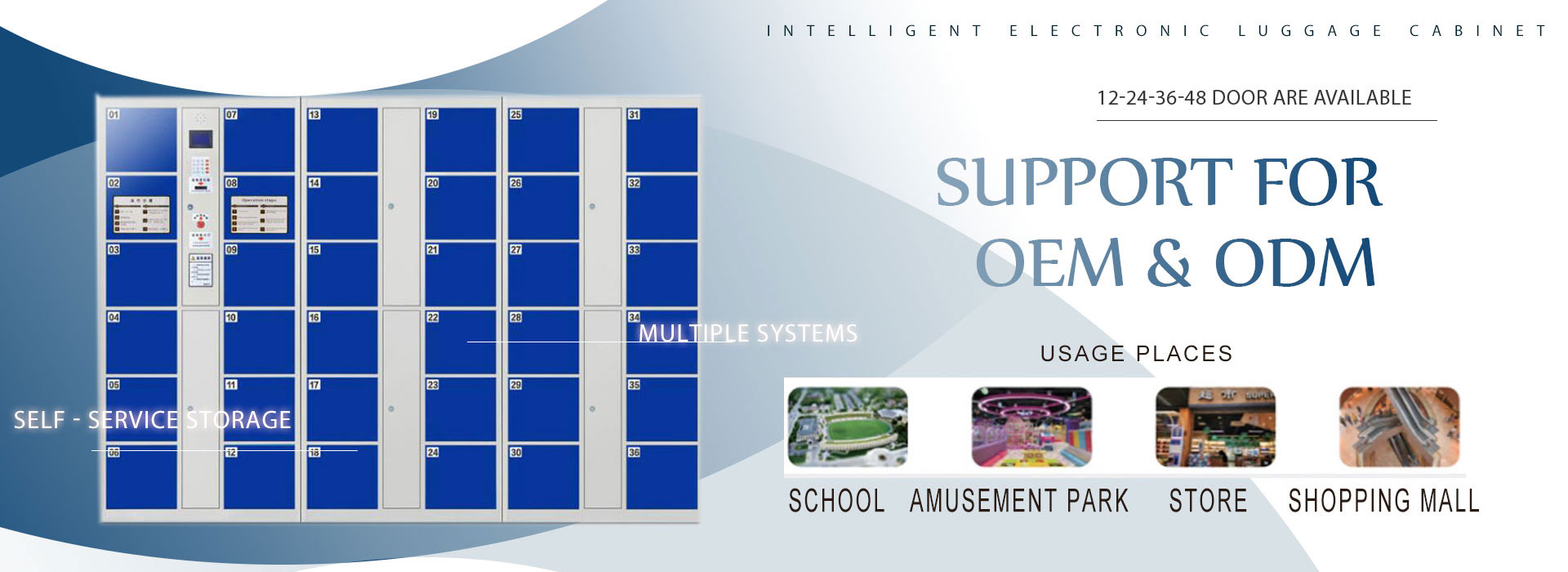
# Museums & Galleries Need Smart Lockers — QR Bag Storage That Keeps Visitors Hands-Free
A visitor walks into a gallery with a coat, a backpack, and an umbrella they did not need. They want to see the exhibition, not hold a bag all afternoon. If there is a staffed cloakroom, they queue for it. If there is not, they carry everything around the rooms and leave earlier than they planned.
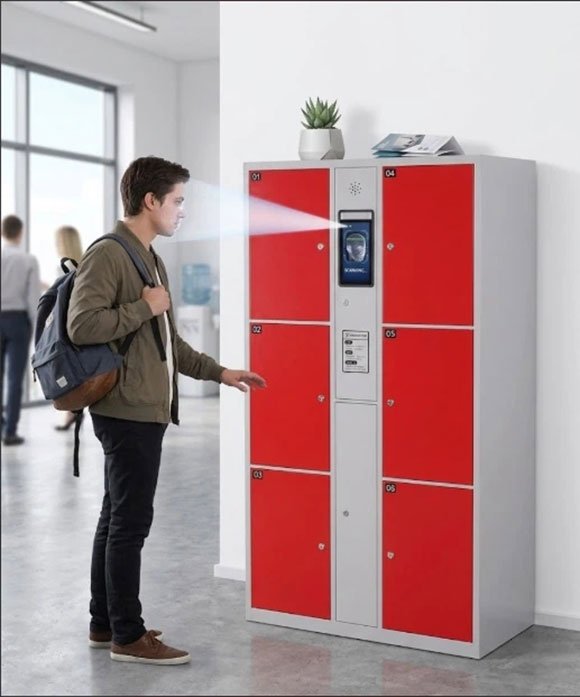
Smart lockers with QR access solve this. A visitor scans a code, a compartment opens, the bag goes in, and they are free to walk the galleries with both hands. No queue, no staff at the counter, no reason to cut the visit short.
This article covers what a museum or gallery locker has to do, how QR bag storage works, and what to check before you buy.
Why museums and galleries need bag storage
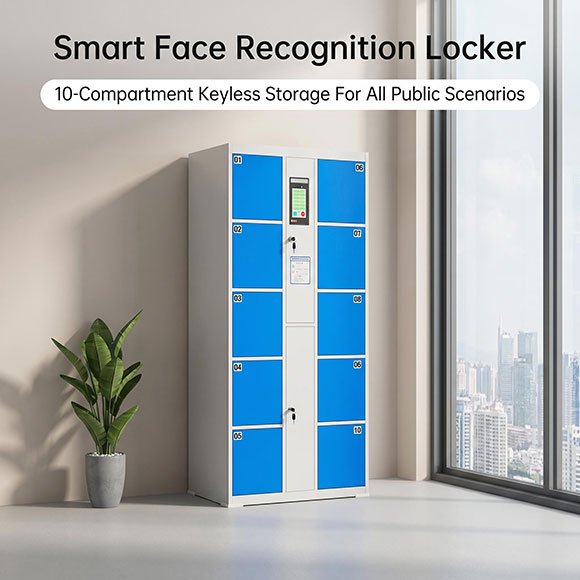
Three reasons push a venue toward locker-based storage:
- Hands-free viewing — visitors enjoy an exhibition more when they are not carrying a bag, especially in tight galleries where a backpack can knock displays.
- Security — large bags are a risk in crowded rooms; storing them at the door keeps the galleries clear.
- Throughput — a fast deposit and collect keeps people moving in and out without a bottleneck.
The same principle applies whether it is a museum, an art gallery, a science centre, or a historic house.
The problem with a staffed cloakroom
A manned cloakroom works, but it costs the venue:
- Queues — a counter can only serve one visitor at a time, and it backs up at entry and exit peaks.
- Staff time — someone has to stand there, take the ticket, hang the coat, and hand it back.
- Limited hours — a staffed desk closes when the front-of-house team does.
- Loss risk — a ticket-based system depends on paper tickets that get lost.
For a busy venue, that counter becomes a recurring bottleneck every day.
What a museum smart locker has to do — a checklist
A locker for a public venue is not the same as a factory locker. It has to be quick, simple, and trustworthy for first-time users:
| Requirement | Why it matters |
|---|---|
| QR or code access | No keys, no staff needed — a visitor scans and deposits |
| Individual, locked compartments | Each visitor’s bag stays in its own secured space |
| Range of compartment sizes | Coats, backpacks, umbrellas and even small luggage all fit |
| Fast deposit and collect | A few seconds each way, even at peak entry and exit |
| Clear instructions | A first-time visitor can work it without staff help |
| Secure, durable build | Steel body that stands up to heavy daily use |
| Easy to clean | Wiped down quickly between uses |
QR bag storage: how visitors use it
The flow is short enough for anyone to follow:
- The visitor scans the QR code on the locker with their phone.
- A free compartment opens.
- They put their bag in and close the door.
- When they leave, they scan again (or re-enter their code) and the same compartment opens.
No paper ticket, no staff, no deposit coin. The visitor keeps their hands free for the whole visit.
Access options for museums and galleries
QR is the default because it needs no hardware, but venues mix in other options:
- QR code — scanned by the visitor’s own phone. Best for walk-in visitors.
- Ticket barcode — the visitor scans the code on their entrance ticket, so one ticket handles entry and storage.
- Face recognition — for members or regular visitors who want a hands-free, no-phone option.
Most venues run QR for general visitors and add face or card access for members and staff.
How a gallery deploys them
If you are adding smart lockers to a museum or gallery, the steps look like this:
- Choose the location — near the entrance, inside the ticketing area, clear of the main flow.
- Size the bank — match the locker count to peak visitor traffic and the mix of bag sizes you expect.
- Pick the access type — QR for general visitors, plus ticket or face for members.
- Add clear signage — first-time visitors need to see how it works in seconds.
- Set the admin side — staff need a master function to reopen, audit, and release compartments at closing.
- Plan maintenance — a visible, clean locker keeps the venue’s standards up.
The ROI: fewer queues, free staff, more time in the galleries
For a venue, the benefits are direct:
- The cloakroom queue disappears, and entry and exit both move faster.
- Front-of-house staff are freed for tickets, directions, and the shop instead of hanging coats.
- Visitors stay longer and see more, which supports admission revenue and shop sales.
For a gallery with hundreds of visitors a day, the queue time and staff hours saved usually cover the locker cost within the first year.
What to check before you buy from a manufacturer
Ask the supplier for:
- Venue or public-space experience — have they supplied lockers to museums, galleries, or cultural venues before?
- Certification — CE, ISO 9001, and any venue or heritage-site compliance you need.
- QR and ticketing integration — can the locker read a QR code or a ticket barcode, and link to your ticketing system?
- Weather resistance — if the bank sits near an outdoor entrance, confirm it can handle the conditions.
- Lead time and MOQ — know the delivery window before you plan the entrance layout.
- Custom sizing and branding — venues often want the bank to match the interior or carry the venue’s look.
- Spare parts and support — a reader or lock that fails must be replaceable without replacing the whole bank.
HNJUNTUO manufactures steel and smart storage lockers in Luoyang, China, and supplies keyless locker systems to museums, galleries, gyms and venues across the Middle East, Southeast Asia and Australia. We can confirm the QR access, compartment sizes and security features in writing before you order.
FAQ
Are smart lockers secure for visitor bags?
Yes, when each compartment has its own lock and the system records who opened which compartment and when. Choose a bank with a clear audit trail.
Do visitors need an app to use them?
No. A QR code scanned with any phone camera, or the barcode on an entrance ticket, opens the compartment.
Can a locker hold a large backpack or an umbrella?
Yes, with the right mix of compartment sizes. Specify the range you need and we will match the bank to it.
Can the locker work with our ticketing system?
Integration depends on your ticketing platform; send your setup and we will confirm what is possible.
What is the lead time?
It depends on quantity and configuration; send your specs and we will quote the delivery window with the price.
If you are planning smart lockers for a museum or gallery, tell us your peak visitor traffic and bag-size mix. We will confirm the locker count, QR access, and compartment sizes, and send a quote within 24 hours.
Contact HNJUNTUO with your venue layout and daily visitors — we reply the same working day.