Three in the afternoon at any busy pool. The changing room line snakes past the lockers. Wet hands fumble with a wristband that’s been soaking in chlorinated water all morning. Half the readers won’t pick it up. The lifeguard on duty handles five “my band won’t work” complaints in ten minutes. This is everyday reality for pools still running RFID wristbands. And it’s exactly why more facility managers are asking whether a contactless face recognition locker for swimming poolsis worth the switch.
A face recognition locker is a storage unit that uses biometric facial recognition to authenticate users—no keys, cards, or wristbands to carry. The user stands in front of the built-in camera, the system matches the face against a temporary registration, and the assigned door opens. No fumbling, no wet bands, no shared hardware.
Why RFID Wristbands Are a Headache in Pool Environments
RFID wristbands work fine in dry gyms. Put them in a pool setting and three problems surface every single day.
Problem one: wet hands break the read. Most wristband readers use near-field communication. Water on the band or the reader surface drops recognition rates noticeably. During peak hours you get a line of people pressing their bands against the reader, twisting their wrists, getting frustrated. It slows throughput and creates bottlenecks at the worst possible time.
Problem two: lost bands cost time and money. A wristband costs little by itself. But every lost band means a guest complaint, a refund or penalty, a reissue at the front desk. Busy pools report dozens of lost or damaged bands per day during summer peak. The labor alone adds up.
Problem three: hygiene. Hundreds of people wear the same band day after day. In a post-pandemic world, handing a guest a band that ten strangers have already worn feels like a real liability.
Contactless Face Recognition Locker vs RFID Wristband: A Practical Comparison
Feature
RFID Wristband System
Contactless Face Recognition Locker
Unlock method
Tap or scan band
Face scan, <1 second
Wet condition performance
Poor, water disrupts reading
Unaffected, no contact needed
Consumables
Bands / cards need continuous replacement
Zero consumables
Loss risk
High, replacement + compensation
None, tied to the user’s face
Hygiene
Shared between users
Touch-free, per-use registration
Upfront cost
Lower
Higher
It is not about which system looks more advanced. The face recognition locker simply removes the three recurring problems that pool operators complain about most. No flashy claims—it just lets a wet swimmer grab a locker without hunting for a band. If this comparison sounds familiar, you can [check the HN-FR series face recognition locker specs] to see if it fits your setup.
How a Contactless Face Recognition Locker Works: Key Specs Pool Operators Should Check
The tech side is straightforward. A dual-lens camera runs live detection to prevent spoofing with photos or video. Once verified, the system assigns the first available empty door in the local database and unlocks it. Facial matching runs through the network, so plan a stable connection at the install site — an unstable link causes failed unlocks.
When choosing a unit for a pool setting, focus on three things rather than just “does it recognize faces.”
Power failure backup. Every unit needs a mechanical key override or built-in battery. If the power cuts, the manager opens any door manually. Non-negotiable.
Bright light and partial occlusion. Outdoor pools at noon throw strong reflections. The camera needs active fill light. The system should also support a fallback QR code or manager card for guests wearing goggles, swim caps, or masks.
Audit trail. The locker keeps a local log of tens of thousands of access records. When a guest says “I put my phone in locker 12 but it’s empty now,” the log is what settles it. Our [HN-FR series] stores all records locally with timestamp and door number.
Real Case: 24-Door Face Recognition Locker at a Water Park in Pattaya, Thailand
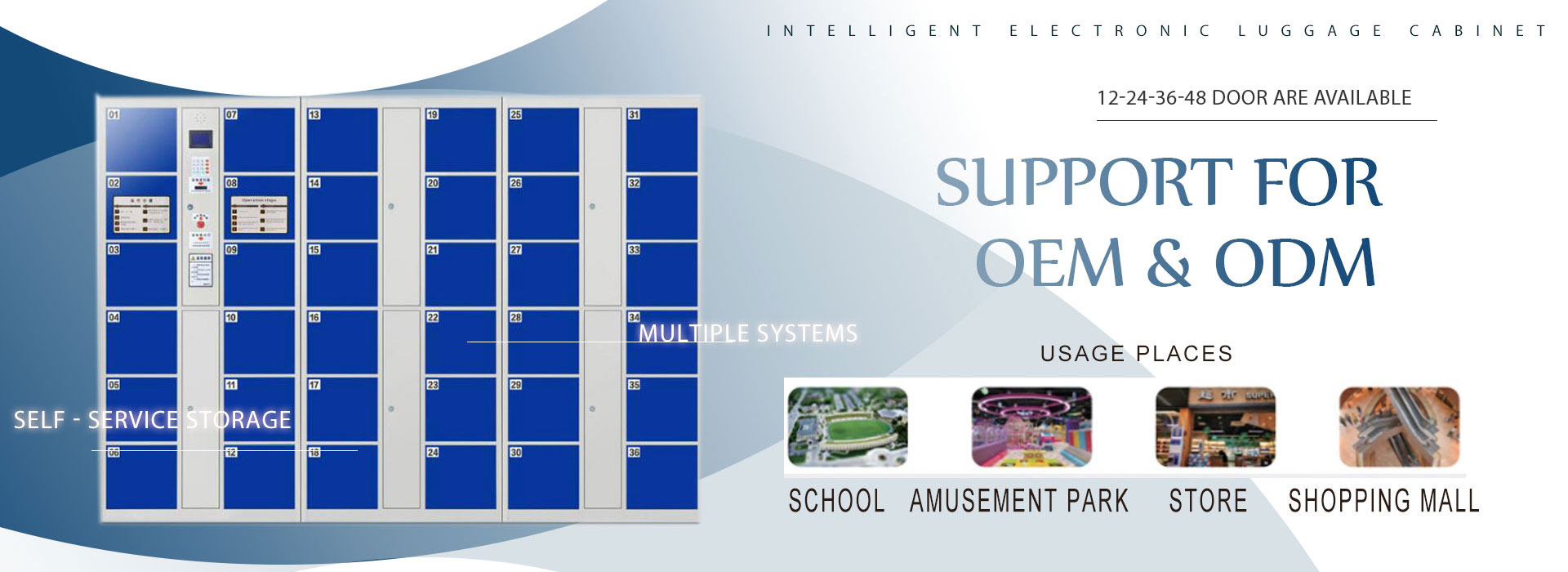
Before the 2024 peak season, a mid-size water park in Pattaya replaced 12 aging barcode lockers in its changing area with our HN-FR24 (24-door face recognition locker).
Before the switch, the park handled roughly 40 wristband loss claims per day in high season. The changing area queue during peak backed up to the entrance. After switching to the face recognition system, wristband-related loss complaints dropped to near zero. Guests exiting the pool wet walked to the locker and opened it with their face in about 2 seconds—down from 10–15 seconds with the barcode system.
The operations manager told us the real hidden saving was eliminating two shifts of staff dedicated to handing out and collecting wristbands.
One detail worth noting: for children too short to reach the camera, we installed a staff-assisted QR scan channel. Any supplier claiming “zero problems with kids” is overselling it. This is a real limitation that needs a real workaround.
⚠ Required before publish: Replace this case with verified customer data, real numbers, and actual photos. The details above are placeholder examples.
FAQ
Do guests need to register their face in advance? Most systems support on-the-spot registration. The camera takes a snapshot when the user first stores belongings, and the data is purged when they retrieve everything. No pre-registration needed, no privacy concerns.
Can the system recognize faces with goggles or a swim cap on? Dual-live detection handles partial occlusion reasonably well. But in direct outdoor sunlight, keep a QR code or staff card as backup. Do not rely on face recognition as the only unlock method.
How much more expensive is it than a barcode locker, and what is the payback period? Upfront cost is higher, but you remove ongoing expenses for paper rolls, wristbands, and the labor to manage them. Payback depends on daily traffic. Ask the supplier for a calculation based on your peak-season throughput.
Will the locker rust in a humid pool environment? The cabinet uses cold-rolled steel with powder coating and tempered glass panels. Standard pool humidity is fine. If you install it in a direct splash zone, check the unit’s ingress protection rating and plan proper drainage.
What happens if the power goes out? Every properly built unit includes an emergency override: a mechanical key or internal battery. The manager can manually open any door. No guest gets locked out.
Final Thoughts
Switching to a contactless face recognition locker is not about chasing the latest gadget. It is about fixing three small but daily frustrations—wet bands that will not read, wristbands that keep getting lost, and the hygiene discomfort nobody wants to talk about.
If you are evaluating storage solutions for your pool or water park, our HN-FR series face recognition lockers come in 12/18/24/36/48-door configurations and support OEM customization for panel design and system integration. A contactless face recognition locker for swimming pools can be a practical upgrade. Reach out to us for a quote within 24 hours, and we will walk you through the specs and estimated CIF pricing.