Breaking Down the Hidden Annual Cost of Paper Barcode Lockers
The barcode-ticket locker is not broken. It just bills you quietly, every month, in three line items.
Paper and thermal roll consumption. A busy entrance can dispense thousands of tickets a day. Multiply that by the roll cost, and you get a fixed consumable expense that scales with foot traffic — the more customers you have, the more you pay.
Printer head wear and jam calls. The print slot is a frequent failure point on these units. Humid paper, misaligned rolls, peak-hour jams — each one means a service ticket and a technician visit.
Front-desk labor for lost tickets. When a shopper loses the barcode slip, a staff member has to walk over, verify, and force-open the door. Dozens of these a week add up to real wage hours.
Paper Barcode Locker vs Face Recognition Locker: The Cost Side
Cost factor
Paper Barcode Locker
Face Recognition Locker
Consumables
Thermal paper + print heads, ongoing
None
Jam / breakdown
Frequent at print slot
No print mechanism
Lost ticket handling
Staff override required
No ticket to lose
Hygiene
Shared paper, touched by many
Touch-free
Per-use speed
Find paper + scan, several seconds
Face scan <1 second
Upfront cost
Lower
Higher
The face recognition unit does not add features for the sake of it. It removes the recurring consumable and breakdown line items that paper systems carry by design. For a procurement officer, that is the whole argument.
From a purchasing standpoint, the question is total cost of ownership, not sticker price. Three checks matter.
Network requirement.The unit needs a stable network connection to run facial recognition and sync access records. Plan wired or strong Wi-Fi coverage across the locker bank, and confirm signal reach at every door before install — an unstable link causes failed unlocks.
Fallback unlock options. Keep QR code or staff-card support in the spec. Some shoppers decline face scan; children may not reach the camera. Forcing one method only creates exceptions.
Local audit log. Tens of thousands of access records stored on-device let you reconcile usage and settle disputes quickly, with the data synced to your system over the network.
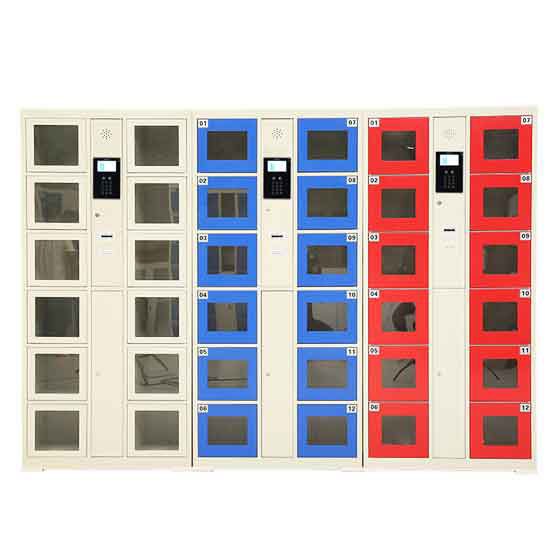
If you are comparing models, our [HN-FR series face recognition lockers] cover 12 to 48 doors and support OEM panel customization.
Real Case: 36-Door Unit at a Shopping Mall in Kuala Lumpur, Malaysia
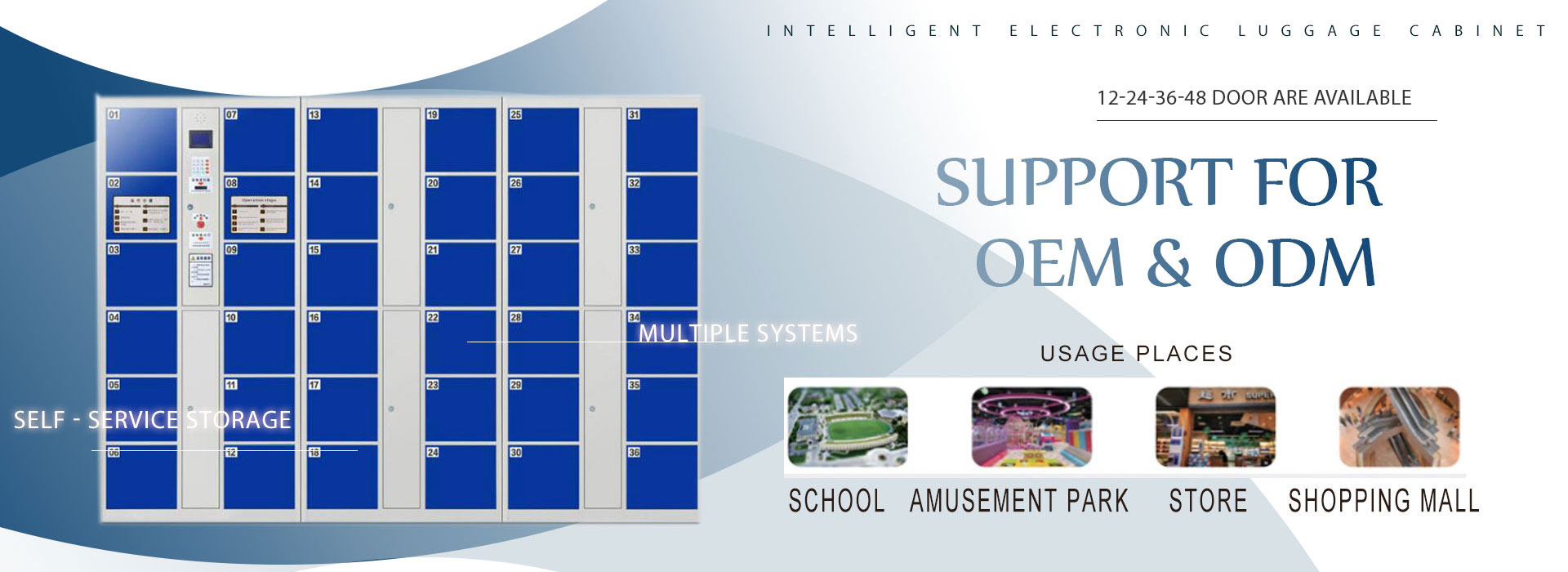
In 2024, a community shopping mall in Kuala Lumpur replaced four aging barcode-ticket lockers on its ground floor with our HN-FR36 (36-door face recognition locker).
Before the swap, the facility team was replacing several thermal rolls a month and logging roughly one print-slot jam per week. During peak season, lost-ticket overrides created a steady stream of front-desk complaints. After switching, paper and print-head consumables dropped to zero, and jam-related service calls essentially stopped. Shoppers retrieved belongings by face scan in about 2 seconds, down from 10–15 seconds with the barcode system.
The procurement lead’s note was blunt: the win was not the tech, it was deleting two recurring budget lines — consumable purchasing and printer maintenance.
One caveat we flag honestly: for the few shoppers who declined face scan, the mall kept a QR-code fallback lane. Any vendor promising “zero exceptions” is overselling.
⚠ Required before publish: Replace with verified customer data, real figures, and photos. The above is a placeholder.
FAQ
How long does it take to recover the cost versus a barcode locker? Upfront cost is higher, but you remove ongoing paper, print-head, and labor expenses. Payback depends on daily traffic — ask the supplier for a calculation based on your store’s throughput.
Does it work without internet? No. Face recognition lockers require an active network connection to verify users and sync access records. A site without stable internet is not a fit for this equipment. Plan wired or strong Wi-Fi coverage before install — offline-only deployment is not supported.
What if customers do not want to use face scan? The system can keep QR or barcode as a fallback. Shoppers who decline face scan still get a locker — no forcing.
How much do paper and print heads cost per year? It scales with traffic. High-footfall stores carry a steady annual consumable and maintenance bill. Get the supplier to estimate from your daily access volume rather than guessing.
What happens during a power outage? Every unit includes an emergency override — mechanical key or internal battery — so staff can open any door manually. No customer gets locked out.
Final Thoughts
Rolling out a face recognition locker in a retail setting is less about the gadget and more about deleting the daily chores — swapping paper rolls, servicing print heads, clearing jam queues. A face recognition locker replacing paper barcode tickets is a practical cost play for stores with steady foot traffic.
If you are planning a store-wide storage upgrade, our HN-FR series face recognition lockers come in 12/18/24/36/48-door configurations with OEM customization for panel and system integration. For a related read on pool and water-park use cases, see our guide on [contactless face recognition lockers for swimming pools]. Reach out for a quote within 24 hours, and we will walk you through specs and estimated CIF pricing.