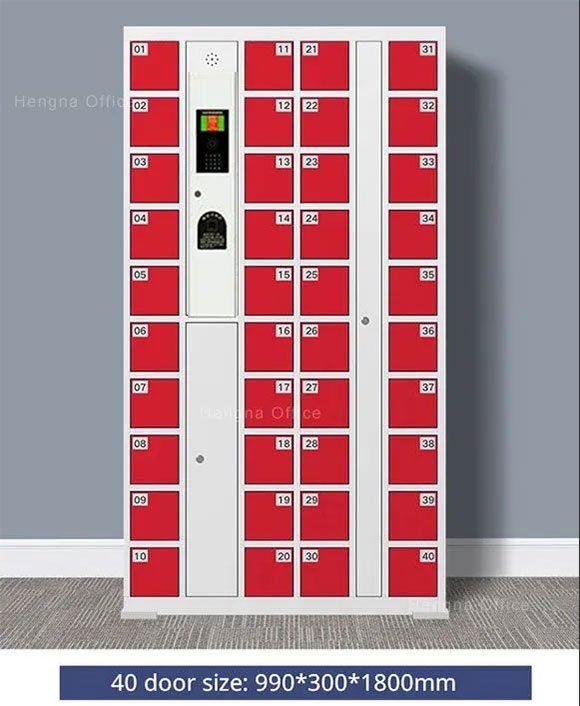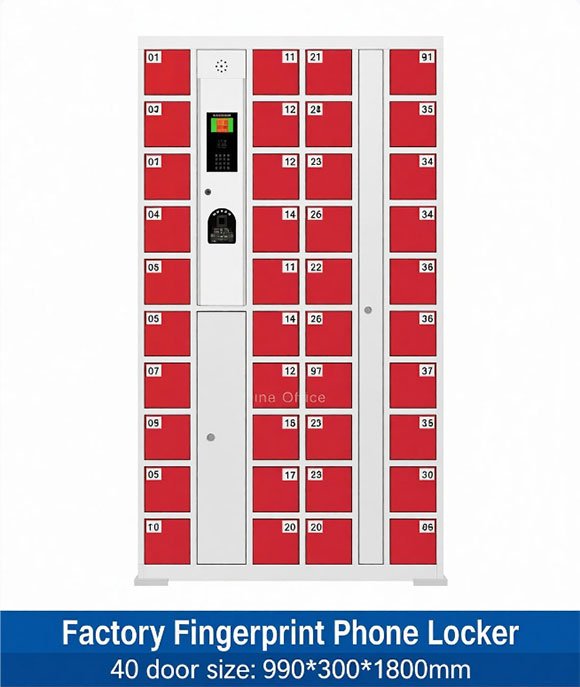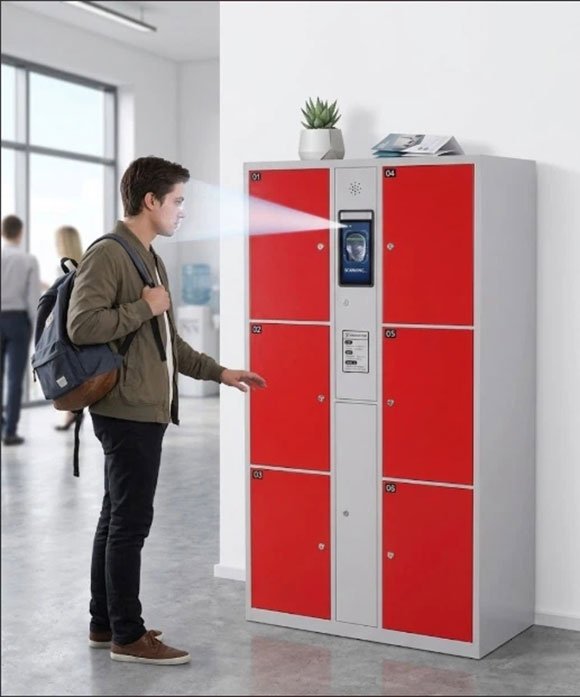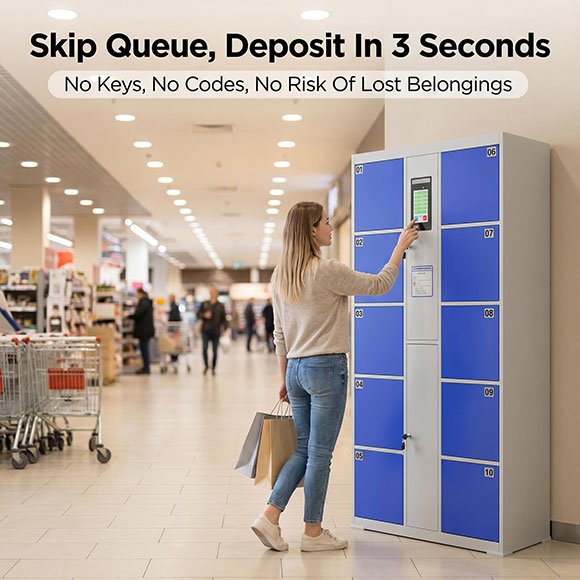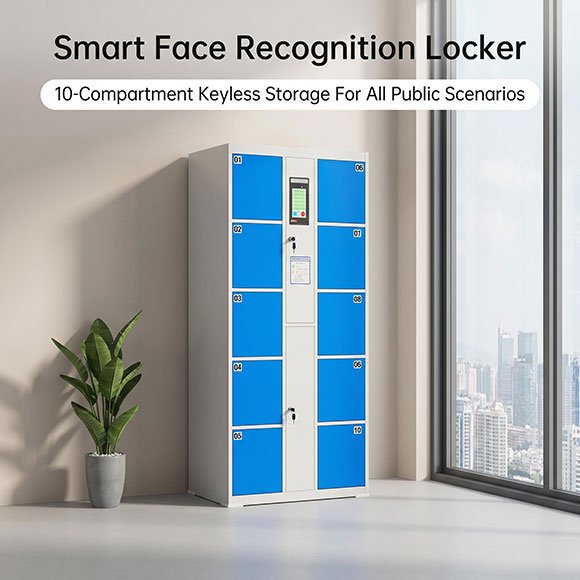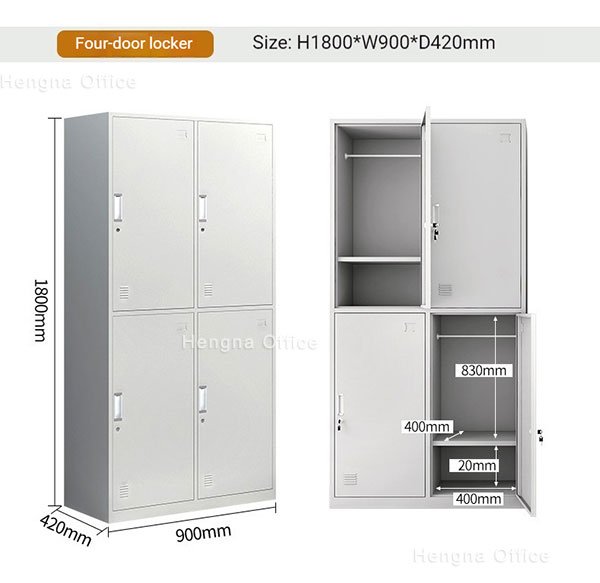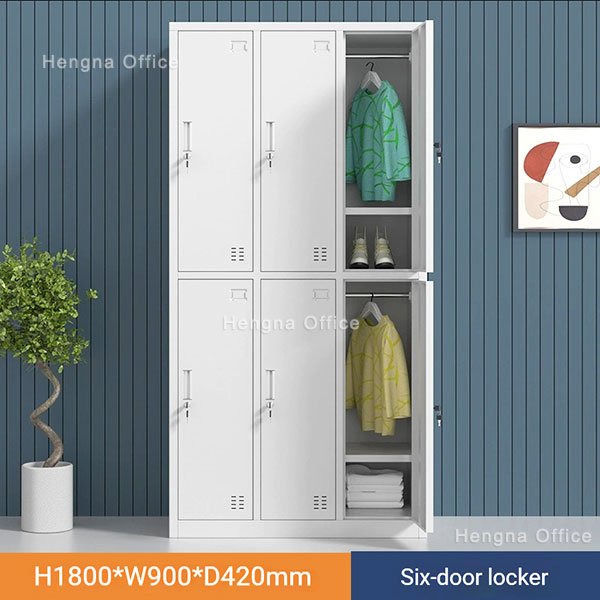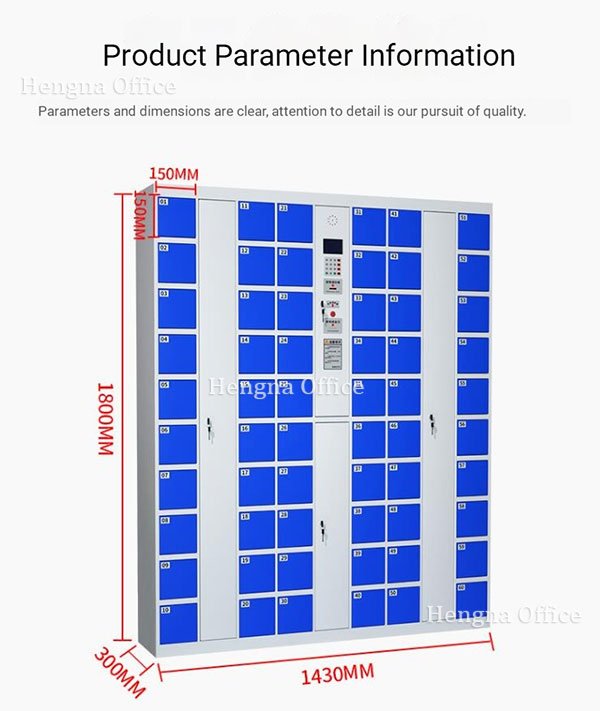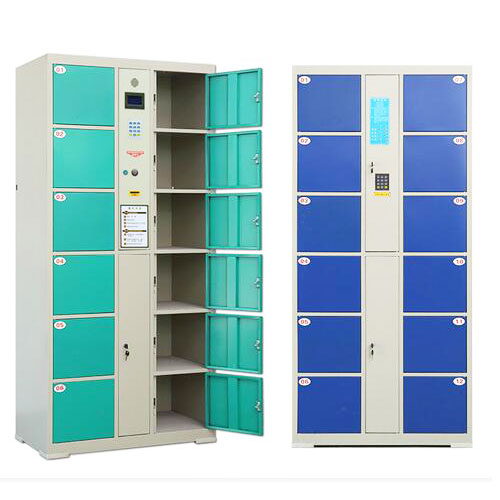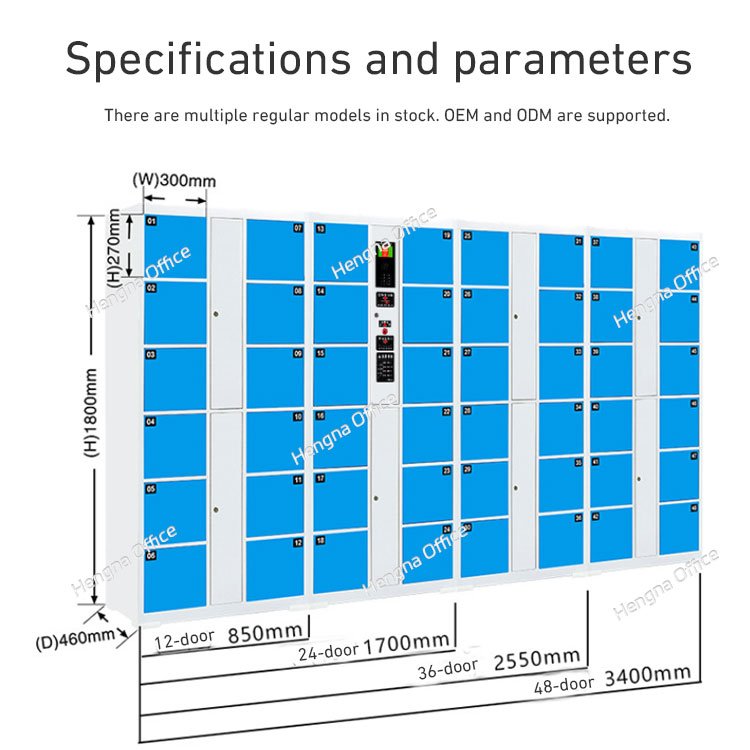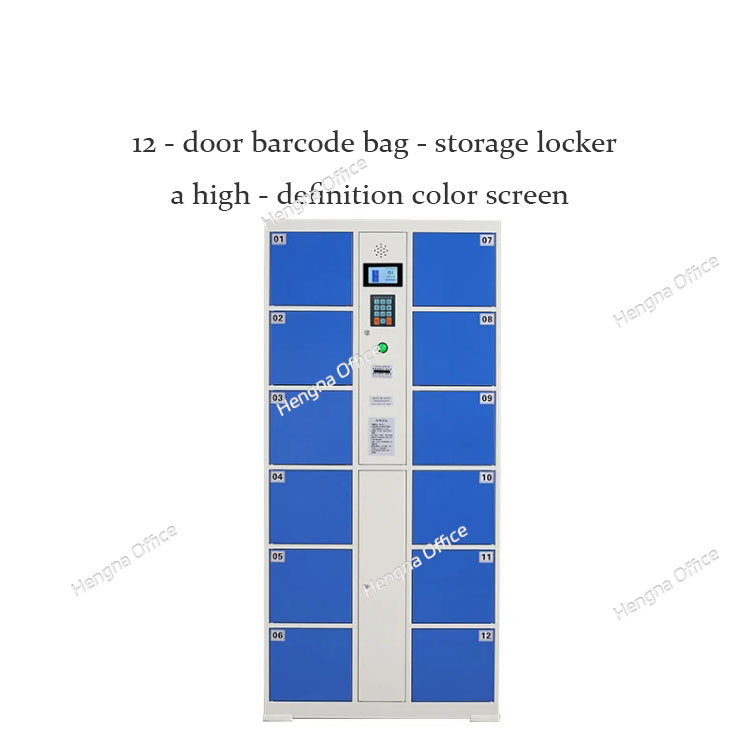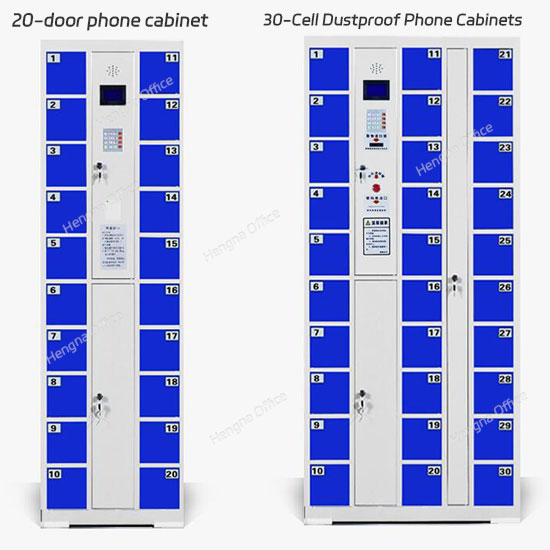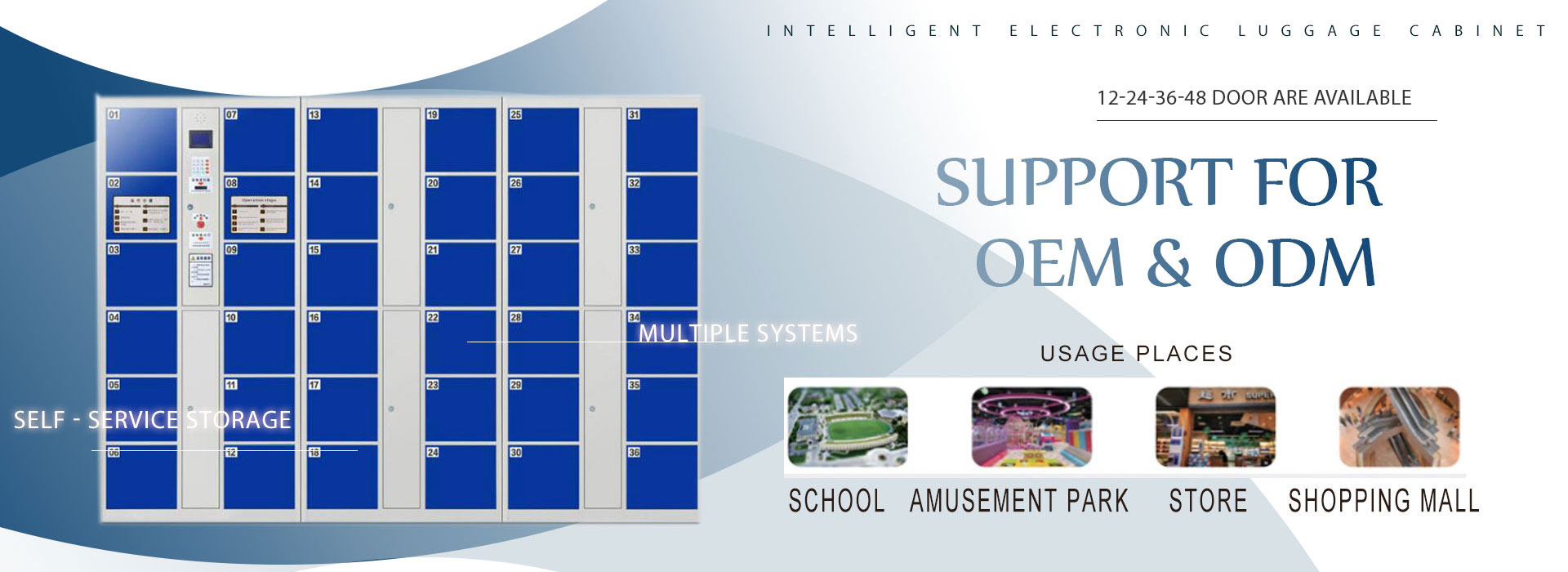

Luoyang Hengna Office Furniture Co., Ltd. specializes in office furniture, with a focus on electronic parcel lockers and key - laying storage lockers.
Our electronic parcel lockers integrate advanced tech, featuring access via card - swiping, fingerprint, or password. Suitable for supermarkets, malls, etc., they offer a secure and user - friendly storage solution.
The key - laying storage lockers are designed for efficient key organization. Their smart interior layout enables easy key storage, identification, and retrieval, making them perfect for office and property management.
We prioritize quality and customer - centric service, aiming to enhance our offerings and provide greater value to clients.
02
2026 - 10
Before every MRI scan, a patient empties their pockets: phone, watch, keys, coins, bank cards. In most departments that pile lands on a reception counter or in a plastic tray while the scan runs. One forgotten key in a trouser pocket, and the magnet pulls it across the room. The scan stops, the schedule slips, and somebody has to explain what went wrong. A growing number of radiology teams are fixing this at the source with smart lockers placed at the MRI suite entrance. This article covers what those lockers have to do, how they cut scan delays, and what to check before you buy. Why metal and an MRI field do not mix An MRI scanner runs a strong static magnetic field that stays on even when the machine is idle. Ferromagnetic items — phones, keys, coins, watches, hairpins, tools, bank cards with magnetic strips — react to that field. In the scan room they become projectiles; outside it they can be wiped or corrupted. So before every exam, staff run the same checklist: remove everything, store it, confirm nothing is left on the patient. That list repeats hundreds of times a day. Storage is usually the weak link. Counters fill up, loose items get mixed, paper tickets tear, and a phone left on a bench is easy to lose. When a patient’s belongings go missing, it turns into a complaint and a delay. When a staff member forgets a knife or a phone in a pocket, it becomes a safety incident. Both are avoidable with a proper storage point at the door. What an MRI suite locker has to do — a checklist Not every locker belongs in a radiology department. The ones that work share the same features: Requirement Why it matters Sits outside the 5-gauss line…
15
2026 - 07
Breaking Down the Hidden Annual Cost of Paper Barcode Lockers The barcode-ticket locker is not broken. It just bills you quietly, every month, in three line items. Paper and thermal roll consumption. A busy entrance can dispense thousands of tickets a day. Multiply that by the roll cost, and you get a fixed consumable expense that scales with foot traffic — the more customers you have, the more you pay. Printer head wear and jam calls. The print slot is a frequent failure point on these units. Humid paper, misaligned rolls, peak-hour jams — each one means a service ticket and a technician visit. Front-desk labor for lost tickets. When a shopper loses the barcode slip, a staff member has to walk over, verify, and force-open the door. Dozens of these a week add up to real wage hours. Paper Barcode Locker vs Face Recognition Locker: The Cost Side Cost factor Paper Barcode Locker Face Recognition Locker Consumables Thermal paper + print heads, ongoing None Jam / breakdown Frequent at print slot No print mechanism Lost ticket handling Staff override required No ticket to lose Hygiene Shared paper, touched by many Touch-free Per-use speed Find paper + scan, several seconds Face scan <1 second Upfront cost Lower Higher The face recognition unit does not add features for the sake of it. It removes the recurring consumable and breakdown line items that paper systems carry by design. For a procurement officer, that is the whole argument. Face Recognition Locker Replacing Paper Barcode Tickets|What Buyers Should Check Before Approving the Budget From a purchasing standpoint, the question is total cost of ownership, not sticker price. Three checks matter. Network requirement.The unit needs a stable network connection to run facial recognition and sync access records. Plan wired or strong Wi-Fi coverage across the locker bank, and…

09
2026 - 07
Three in the afternoon at any busy pool. The changing room line snakes past the lockers. Wet hands fumble with a wristband that’s been soaking in chlorinated water all morning. Half the readers won’t pick it up. The lifeguard on duty handles five “my band won’t work” complaints in ten minutes. This is everyday reality for pools still running RFID wristbands. And it’s exactly why more facility managers are asking whether a contactless face recognition locker for swimming pools is worth the switch. A face recognition locker is a storage unit that uses biometric facial recognition to authenticate users—no keys, cards, or wristbands to carry. The user stands in front of the built-in camera, the system matches the face against a temporary registration, and the assigned door opens. No fumbling, no wet bands, no shared hardware. Why RFID Wristbands Are a Headache in Pool Environments RFID wristbands work fine in dry gyms. Put them in a pool setting and three problems surface every single day. Problem one: wet hands break the read. Most wristband readers use near-field communication. Water on the band or the reader surface drops recognition rates noticeably. During peak hours you get a line of people pressing their bands against the reader, twisting their wrists, getting frustrated. It slows throughput and creates bottlenecks at the worst possible time. Problem two: lost bands cost time and money. A wristband costs little by itself. But every lost band means a guest complaint, a refund or penalty, a reissue at the front desk. Busy pools report dozens of lost or damaged bands per day during summer peak. The labor alone adds up. Problem three: hygiene. Hundreds of people wear the same band day after day. In a post-pandemic world, handing a guest a band that ten strangers have already worn feels like a real liability….
21
2026 - 05
Every gym owner has dealt with this: members complain about locker smells, and no amount of cleaning seems to fix it. The problem isn’t the cleaning routine — it’s the locker itself. Standard enclosed lockers trap air inside. Wet clothes and sweaty shoes sitting for hours? That’s a breeding ground for bacteria and mold. That’s why more and more fitness centers are making ventilation a must-have feature when buying lockers — not just a nice-to-have. The Real Cause of Locker Room Odors To understand why ventilation works, you need to understand the problem first. Here’s what’s typically inside a gym bag: Put all that in a sealed locker, and there’s nowhere for moisture to go. A member drops their bag at noon and picks it up after work — that’s eight or nine hours of bacterial growth right there. A well-ventilated locker lets air move through, carrying moisture away and slowing bacterial growth. It solves the problem at the source. Traditional Ventilation vs. Triangular Air Holes Most ventilated lockers on the market use round ventilation holes. Round holes have two problems: Triangular air holes solve both: Design — Triangular holes can be arranged at specific angles to create定向气流通道 (directional airflow channels). Air enters from the bottom and exits from the top, creating natural convection. This delivers better airflow than randomly placed round holes. Strength — The triangle is a structurally stable shape. With the same opening area, triangular holes weaken the door panel less than round holes. The door stays straight longer, and the locker lasts longer. Real Benefits of Ventilated Lockers Members Notice the Difference Members have reported: before, opening the locker meant a wave of smell. After switching to ventilated lockers, the locker stays mostly fresh. It’s not psychology. Moving air removes moisture, which slows bacterial growth. Less bacteria = less odor. Less…
16
2026 - 03
Managing secure, efficient mobile device storage is a growing challenge for schools, gyms, factories, and public venues worldwide. When it comes to high-capacity solutions, two options dominate the market:50-door fingerprint-enabled smart phone lockers and traditional 50-door key-based lockers. But which one truly delivers better security, usability, and long-term value? In this in-depth comparison, we break down both systems across security, user experience, management efficiency, total cost of ownership, and ideal use cases—so you can choose the right solution for your facility. 🔍50-Door Fingerprint vs. Key Lockers Feature Comparison at a Glance Feature Fingerprint Locker Key-Based Locker Access Method Biometric fingerprint recognition Physical key or mechanical lock User Management Digital registration; usage logs recorded Manual key distribution; no tracking Security Risk Low – live-finger detection, no shared credentials High – keys lost, duplicated, or misused Deployment Plug-and-play; ready in minutes Simple setup, but requires key inventory Maintenance Modular electronics; low failure rate Mechanical wear; frequent lock/key replacement 🛡️ Security: Which Keeps Devices Safer? ✅ Fingerprint Lockers: Enterprise-Grade Protection 💡 Ideal for schools, exam centers, corporate offices, and healthcare facilities where accountability matters. ❌ Key Lockers: Outdated & Vulnerable ⚠️ Only suitable for low-risk, short-term use, like pop-up events or small training rooms. ⚡ 50-Door Fingerprint vs. Key Lockers User Experience: Speed & Simplicity ✅ Fingerprint: Touch-to-Open in <2 Seconds ❌ Key Lockers: Friction at Every Step 🧩 Management Efficiency: Who Saves More Time? ✅ Fingerprint Lockers: Fully Digital Oversight ❌ Key Lockers: Manual & Error-Prone 🎯 For 24/7 operations like factories or multi-shift training centers, digital management isn’t a luxury—it’s a necessity. 💰 Total Cost of Ownership: Upfront vs. Long-Term Cost Factor Fingerprint Locker Key Locker Initial Price Higher Lower Maintenance Minimal – solid-state design High – locks jam, keys break Lifespan 8–10 years (industrial grade) 5–7 years (mechanical fatigue) Labor Cost Near zero after setup Requires dedicated key manager ✅ While fingerprint lockers have…
18
2026 - 01
The modern workplace is no longer defined by rows of permanent desks. As hybrid work models and “hot-desking” become the global standard, the demand for storage has evolved from simple metal boxes to sophisticated, tech-driven infrastructure. A customizable modular smart locker system is at the heart of this transition. But what truly separates a high-performance smart locker from a basic electronic cabinet? It is the integration of modular hardware, intuitive user interfaces, and robust security. For brands like Juntuo (Hengna Office Furniture), the focus is on providing a scalable solution that adapts to the user, rather than forcing the user to adapt to the furniture. Below, we dive into the top 10 features that make a modular smart locker system an essential investment for 2026. 1. Modular “Master and Slave” Architecture The foundation of a high-efficiency system is the Master and Slave Locker Unit configuration. 2. Free Combination & Scalability In a dynamic office, one size rarely fits all. The “Free Combination” feature allows facility managers to link various specifications of sub-cabinets to a single main cabinet to meet the specific needs of different scenarios. Whether you need a small bank of 10 lockers or a massive wall of 200, the modular system grows with your demand. 3. Intelligent LCD Status Display User frustration is the enemy of office efficiency. A high-quality LCD screen is vital for an intelligent operation. 4. Arkley Crystal Keyboard Interface While touchscreens are popular, many B2B environments prefer the tactile reliability of a specialized keyboard. The Arkley Crystal Keyboard is a standout feature for heavy-duty use. 5. Voice Prompt Assistance (Loudspeaker) To ensure the system is accessible to everyone, integrated loudspeakers provide voice prompts during operation. These prompts guide the customer through the deposit and retrieval process, creating a more user-friendly experience and reducing the…
MOQ varies by grocery store electronic storage locker model. Consult us for precise details.
Since prices may change due to raw materials and market, it's best to consult us.
Yes, they're available. Consult us for a list of parts and prices. We'll help you identify and purchase.
We have detailed instructions. contact us.We'll send a guide with possible diagrams/videos.
Sure. Consult us for this detailed list and related details.
We can include weight, volume, currency in quotes. For a customized quote, consult us.
Delivery time depends on product type, quantity, and location. we will give a precise timeline.
We use different methods .The choice depends on your location, order size, and preferences.