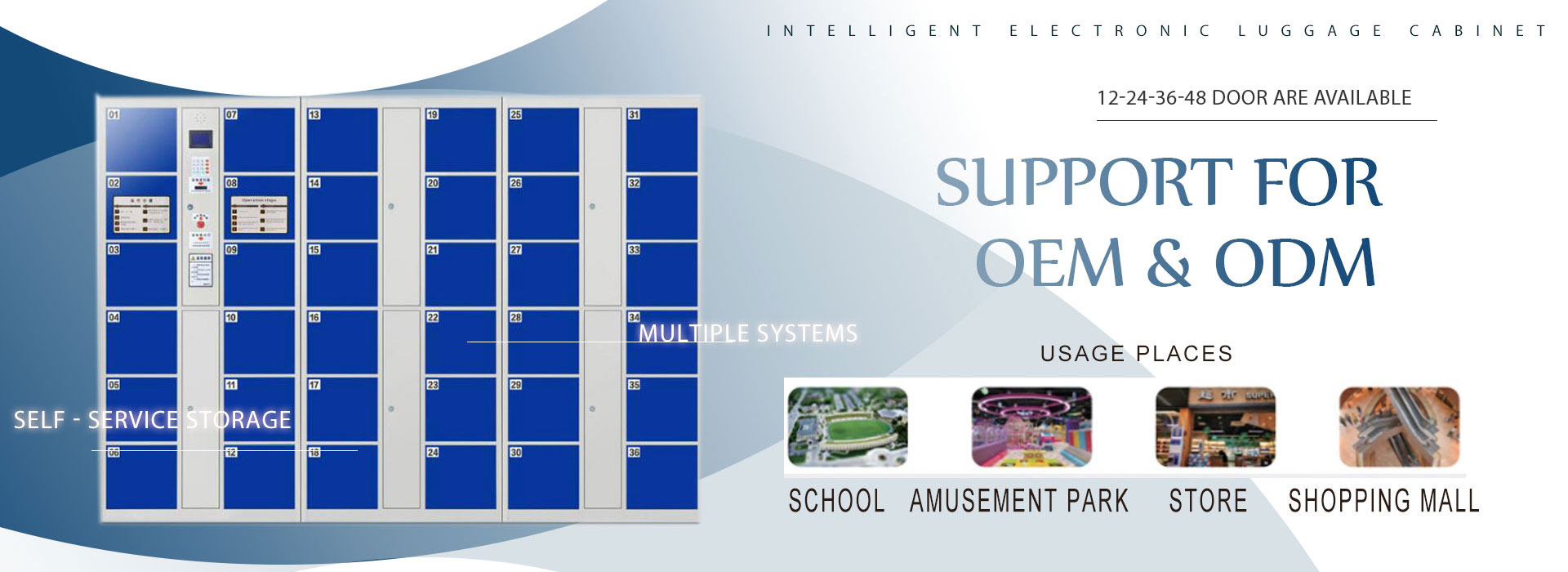
Barcode lockers have emerged as the modern solution to age-old storage problems, offering enhanced security, convenience, and operational efficiency. But with options ranging from compact 12-door units to expansive 36-door systems, how do you determine which size is right for your school? This comprehensive guide will walk you through the essential factors to consider when selecting the perfect barcode locker system for your educational institution.
Why Barcode Lockers Are Transforming School Storage
Before diving into door counts, let’s explore why barcode lockers have become indispensable in modern schools. Unlike traditional lockers that rely on keys or combination locks, barcode systems utilize digital technology to streamline the storage process. Students simply scan a barcode—from a ticket, app, or ID card—to access their compartment. This innovative approach eliminates the hassle of lost keys, forgotten combinations, and unauthorized access.
The benefits extend beyond convenience:
- Enhanced Security: Digital tracking reduces theft and provides audit trails
- Operational Efficiency: Real-time data helps administrators monitor usage patterns
- Time Savings: Students and staff spend less time managing storage issues
- Reduced Administrative Burden: Automated systems minimize manual oversight
Understanding Your School’s Needs: Size Matters
The most critical factor in choosing the right barcode locker is assessing your school’s unique requirements. Let’s break down the options based on student population and usage patterns.
12-Door Lockers: Perfect for Small Schools or Specific Departments
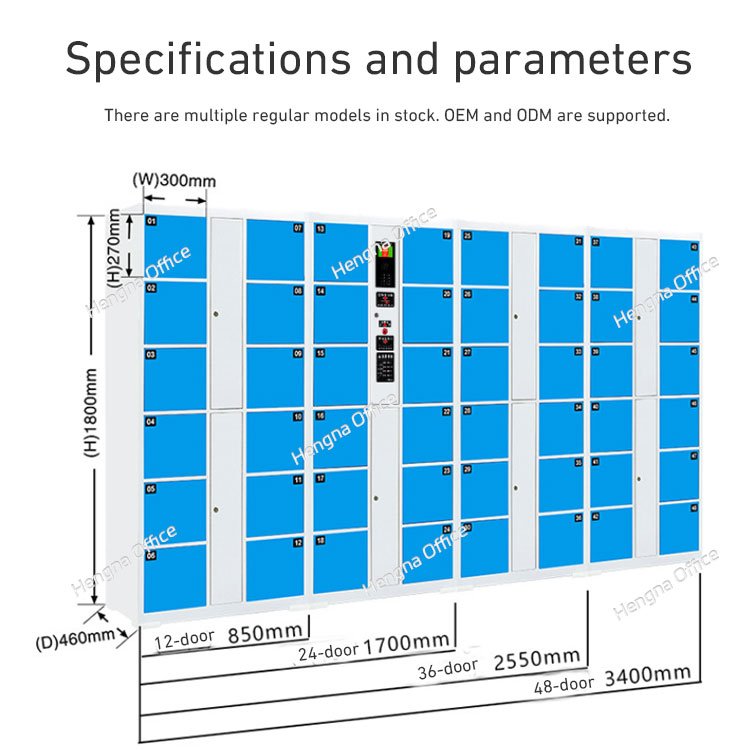
For schools with fewer than 200 students or those looking to equip specific departments like libraries, science labs, or art rooms, 12-door lockers offer an ideal solution. These compact units (typically 850mm wide, 460mm deep, and 1800mm tall) fit seamlessly into limited spaces without overwhelming the area.
Best for:
- Elementary schools with small student populations
- Specialized classrooms requiring secure storage
- After-school programs with limited participants
- Schools with budget constraints looking to expand gradually
24-Door Lockers: The Versatile Middle Ground
The 24-door configuration (approximately 1200mm wide) represents the sweet spot for most medium-sized schools serving 200-500 students. These units provide ample storage capacity while maintaining a reasonable footprint, making them suitable for hallways, common areas, and locker rooms.
Best for:
- Middle schools with moderate student populations
- Departments serving multiple grade levels
- Areas with moderate foot traffic
- Schools planning for future growth
36-Door Lockers: Maximum Capacity for Large Institutions
Large schools with over 500 students or high-traffic areas like main entrances, gymnasiums, or cafeterias benefit most from 36-door systems. These expansive units (1700mm wide) maximize storage capacity while minimizing the number of installations needed.
Best for:
- High schools and universities with substantial student bodies
- Central locations experiencing heavy usage
- Schools with limited wall space but high storage demands
- Institutions prioritizing efficiency and reduced wait times
Space Considerations: Making Every Inch Count
Physical space constraints often play a decisive role in locker selection. Before making a purchase, carefully measure the installation area, considering not just the locker dimensions but also clearance for students to access compartments comfortably.
Space Planning Tips:
- Allow at least 3 feet of clearance in front of lockers for easy access
- Consider traffic flow patterns to avoid congestion
- Think about vertical space—most barcode lockers maintain a consistent height of 1800mm
- Evaluate modular options that can be linked together for future expansion
Budget Considerations: Balancing Cost and Value
While 12-door lockers have the lowest initial cost, larger units often provide better value per door over time. When evaluating your budget, consider:
- Initial Investment: Larger units cost more upfront but may reduce installation expenses
- Long-term Value: Consider how the system will serve your school as enrollment grows
- Maintenance Costs: Quality barcode systems typically require less maintenance than traditional lockers
- Operational Savings: Factor in reduced administrative time and fewer lost-item replacements
Additional Features to Enhance Functionality
Modern barcode lockers offer various features that can improve the user experience and administrative oversight. Consider which options align with your school’s needs:
- Digital Displays: Clear screens showing availability and instructions
- Mobile Integration: Apps allowing students to reserve lockers or check availability remotely
- Enhanced Security: Cameras, alarms, or detailed access logs for high-value items
- Accessibility Options: ADA-compliant designs ensuring all students can use the lockers
- Reporting Capabilities: Systems that provide usage data to optimize placement and capacity
Making Your Final Decision: A Step-by-Step Approach
To select the perfect barcode locker system for your school, follow this systematic approach:
- Assess Current Needs: Count the number of students requiring daily locker access
- Plan for Growth: Consider enrollment projections for the next 5-10 years
- Evaluate Space: Measure installation areas and map out optimal placement
- Set Budget Parameters: Determine total investment including installation and potential future expansion
- Prioritize Features: Identify which additional capabilities will provide the most value
- Consult Stakeholders: Get input from administrators, teachers, and maintenance staff
- Request Demos: Test different systems to evaluate user-friendliness and functionality
Choosing between 12, 24, or 36-door barcode lockers ultimately depends on your school’s unique combination of student population, available space, budget constraints, and future growth plans. By carefully evaluating these factors and prioritizing long-term value over short-term savings, you can select a system that will serve your school community for years to come.
Remember that barcode lockers are more than just storage solutions—they’re investments in security, efficiency, and the overall educational experience. The right system will reduce administrative burdens, enhance campus security, and provide students with the reliable storage they need to focus on what matters most: learning.
Take the time to evaluate your options thoroughly, consult with reputable suppliers, and choose a barcode locker system that aligns with your school’s mission and values. Your students, staff, and administrators will thank you for making this thoughtful investment in your school’s infrastructure and future success.