A school hallway at 7:55 a.m. tells you everything about storage demand. Backpacks against the wall. A lunch bag on the floor next to a fire door. A student running back to the office to ask where they can leave their instrument. Schools have more stuff moving through them than most warehouses, and most of it has no assigned home.Barcode lockers give schools a home for that stuff without adding staff workload. A student taps “Store,” takes a printed ticket, drops their bag in a numbered door, and leaves. At the end of the day they scan the ticket, and the same door opens. No keys to cut, no combinations to reset, no office staff member pulled away from attendance calls to open a stuck locker.
What a Barcode Locker Does in a School
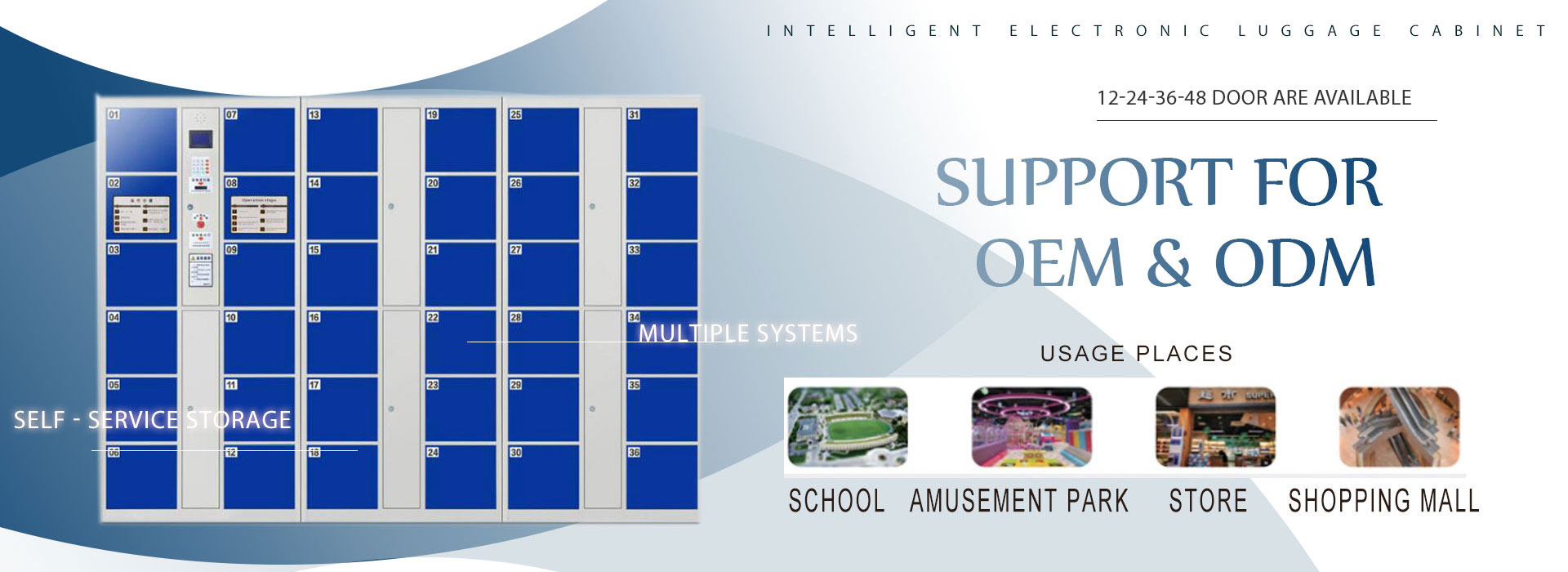
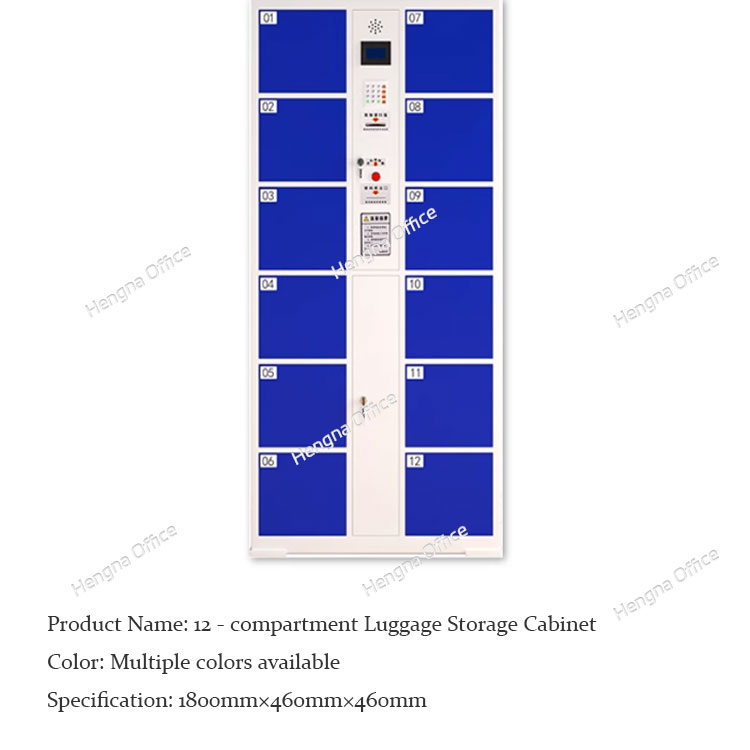
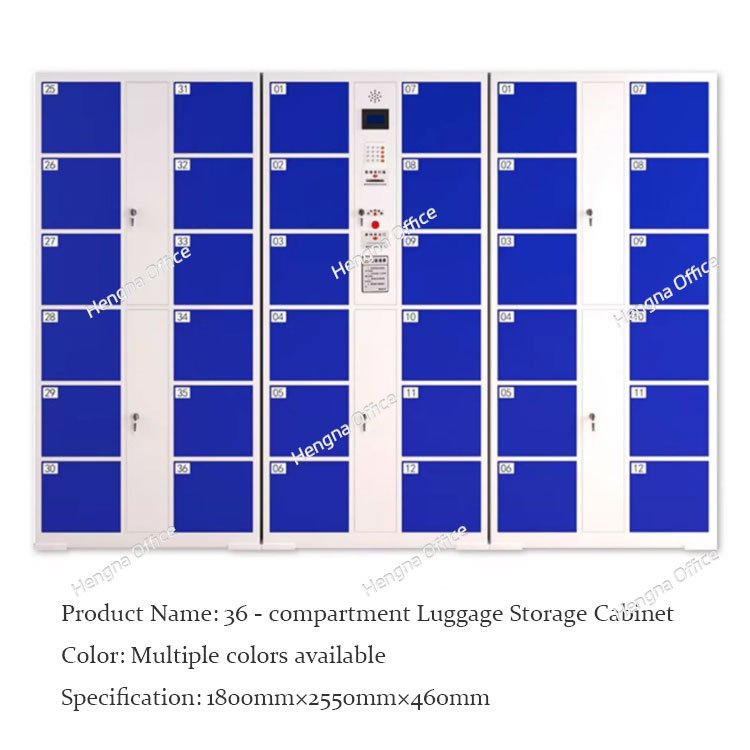
A barcode locker is a steel cabinet with 12 to 36 doors, each controlled by a central ticket machine. The ticket printer sits in the middle of the unit. The system works offline on standard 110V power—no Wi-Fi, no network wiring. If a student loses a ticket, a staff member opens the door with a master override. Every open event is logged on the control board, so the office can check when a door was last used.This is different from a traditional assigned locker. Barcode lockers are shared, first-come, first-served storage. Schools use them in three places: entrance halls for daily bag storage, gym and pool areas for clothes and phones, and library or exam rooms where bags are not allowed inside. Students learn the flow in one try, and the machine never loses its patience during a four-minute period change.
Choosing the Door Count: 12, 24 or 36
The door count decision comes down to how many students pass the unit during one period change.– **12 doors** suits a small entrance or a single classroom wing—buildings under 200 students, or satellite spots like a pool building or staff room.
– **24 doors** is the default for a standard middle or high school entrance with 200 to 600 students.
– **36 doors** fits a main entrance or hallway junction serving 600+ students, or a building where several grades change periods at the same time.One more rule from school projects we have supplied: if two grades share one locker bank, size for the peak minute, not the daily average. A 24-door unit that sits empty all morning can still have 40 students in front of it during one period change. When in doubt, go one size up—the price gap between 24 and 36 doors is far smaller than the cost of a hallway bottleneck. Very large campuses sometimes run two 36-door banks at opposite entrances instead of one bigger unit.Also think about what else the unit absorbs. Exam days push locker use up sharply—every student has a phone and a bag that the exam room will not allow inside. If the school runs external exams or test centers on weekends, that peak matters for sizing too.
Compartment Size Mix
Not everything a student carries is the same shape. A standard backpack needs a compartment roughly 300mm wide and 450mm deep. A phone, a wallet, and a water bottle need only half that. Schools that use lockers for phones and valuables—a growing policy—often order a mix: two-thirds small compartments for phones, one-third large for bags and instruments.The mix is configurable at the factory. Tell the supplier what students actually carry during the day. A school that bans phones in classrooms but allows them in lockers has a different requirement from a school that only stores gym bags.Instrument programs add a wildcard. A trumpet case fits a small compartment; a violin case needs a full-size one; a tuba fits nowhere and stays in the band room. If the locker bank serves a music wing, order more full-size compartments than you think you need, because instrument cases do not compress.
Why Barcode Beats Keys and Combinations in a School
Schools have tried every locker access system, and each has a known failure mode. Keys get lost—students lose keys at a rate no office wants to track. Combinations get forgotten, and every “can you open locker 47 for me?” interrupts the front desk. Coin deposit is useless in a school because students do not carry coins.Barcode tickets have none of these problems. A ticket costs almost nothing and is single-use. The system auto-expires tickets after a set window, usually 8 to 12 hours, so yesterday’s ticket cannot open a door today. For a school, that window also matches the school day: bags dropped at 8 a.m. are collected by 5 p.m., and anything left inside gets cleared with the master key.
Steel Gauge and Hallway Abuse
School lockers take abuse that commercial lockers never see. Doors get kicked shut. A cart clips the side panel in the hallway. A student sits on an open door at lunch. For hallway installation, specify 0.8mm cold-rolled steel doors and a powder-coated finish. Thinner steel shows dents within the first semester and makes the whole bank look worn.Powder coating matters for hygiene too. Schools wipe down high-touch surfaces during flu season. A powder-coated surface handles disinfectant wipes without fading. The ticket machine’s screen and scanner window only need a dry cloth.
Installation Checklist
Before ordering, walk the installation spot with this checklist:
A grounded 110V outlet within 6 feet of the unit.
A wall or floor that can hold the unit’s weight—a 36-door bank weighs about 280 pounds and must be anchored to prevent tipping.
Enough clearance in front for doors to open fully and for two students to pass each other.
Not blocking a fire exit or narrowing the hallway below the school’s clearance requirement.
The units ship assembled except for leveling feet. Two people can position a 12-door unit; a 36-door bank goes in faster with a pallet jack.Also confirm the outlet is on a circuit that stays powered during school hours. Some schools put hallway outlets on timer switches; the locker bank should be on an always-on circuit so tickets do not reset mid-day.
Phone Lockers: The Companion Purchase
Schools with phone-free policies often order two systems at once: barcode lockers for bags in the hallway, and phone lockers for classroom wings or the front office. Phone lockers use the same barcode access but with smaller compartments and, on some models, USB charging ports. If your school is writing a phone policy, plan the two systems together so the access method is the same everywhere. See our guide on phone storage lockers for schools before you decide.
Five Questions to Ask a Supplier
Door steel thickness? 0.8mm minimum for school use.
Can the compartment size mix be customized per unit?
Warranty on the control board? Three years is standard.
Ticket printer output? One roll should print thousands of tickets.
Lead time? Factory-direct orders typically ship in 15 to 25 days plus ocean freight.
At Luoyang Hengna, we build barcode lockers for schools in 12, 24 and 36 door configurations, with customizable compartment mixes, 0.8mm steel, and a three-year control board warranty. Tell us your enrollment, where the units will sit, and what students will store. We will size the unit and quote it within one working day.