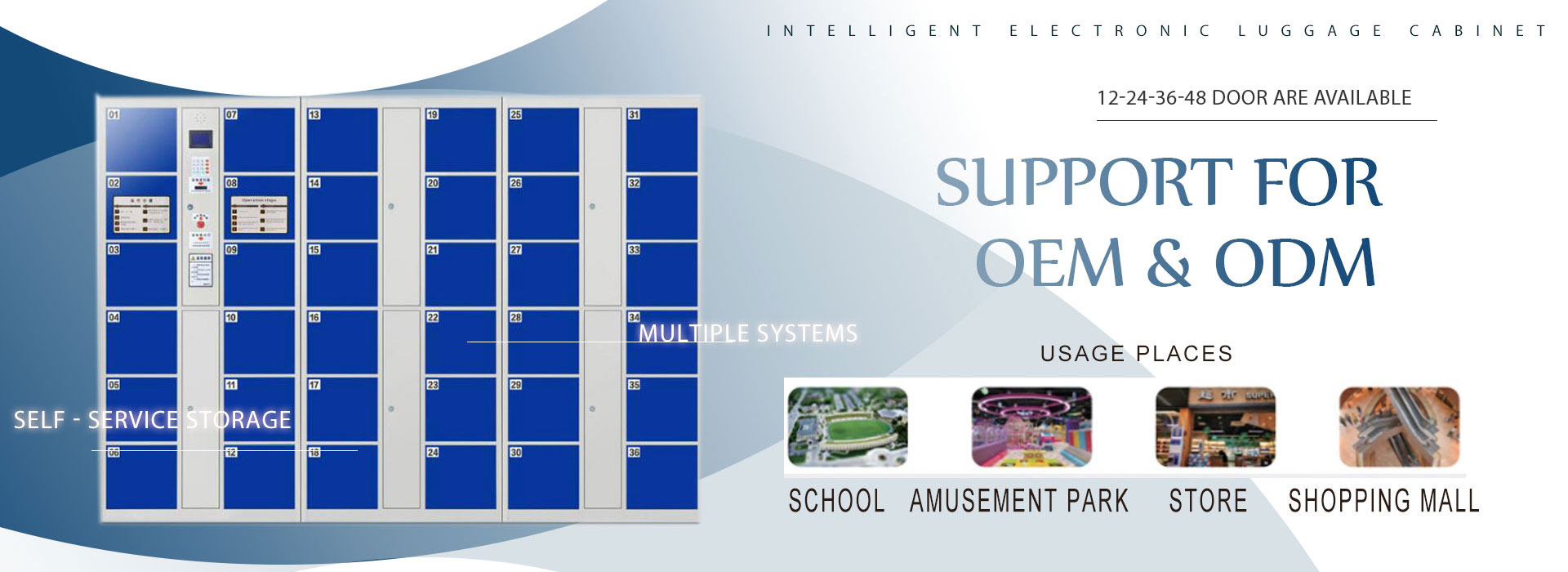
Whether you’re at the gym, shopping mall, airport, or workplace, having a reliable place to store your belongings is crucial. But with technological advancements, we now face a choice between traditional lockers and their modern counterparts—barcode lockers. This comprehensive comparison will help you determine which option best suits your specific needs.
Traditional Lockers: Time-Tested Security
Traditional lockers have served us well for decades, utilizing simple mechanical systems that most people are familiar with. These typically come with either physical keys or combination locks that require users to remember a specific sequence of numbers.
How Traditional Lockers Work
The operation is straightforward: insert your key or dial your combination to access your personal items. This simplicity has made traditional lockers a popular choice in schools, gyms, and recreational facilities worldwide.
Advantages of Traditional Lockers
- Reliability: Being mechanical, they don’t depend on electricity or software
- Durability: Simple construction means fewer components that can break
- Familiarity: Most users already understand how to operate them
- Lower initial cost: Generally less expensive to purchase and install
Limitations of Traditional Lockers
However, traditional systems come with notable drawbacks. Lost keys can create significant inconvenience, requiring replacement and potentially leaving belongings inaccessible. Forgotten combinations pose similar problems. Additionally, manual record-keeping in high-traffic areas can lead to errors and inefficiencies, frustrating both users and facility managers.
Barcode Lockers: The Modern Storage Solution
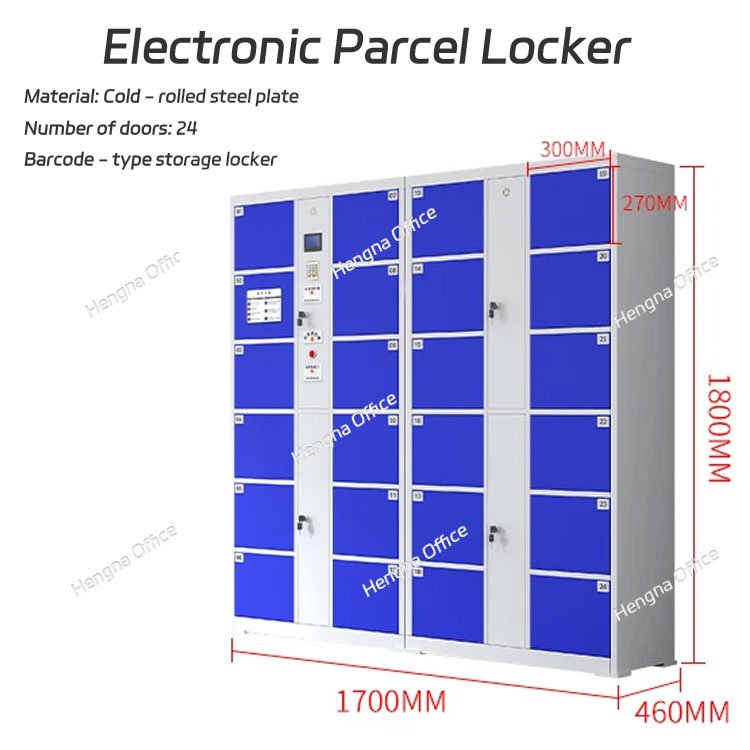
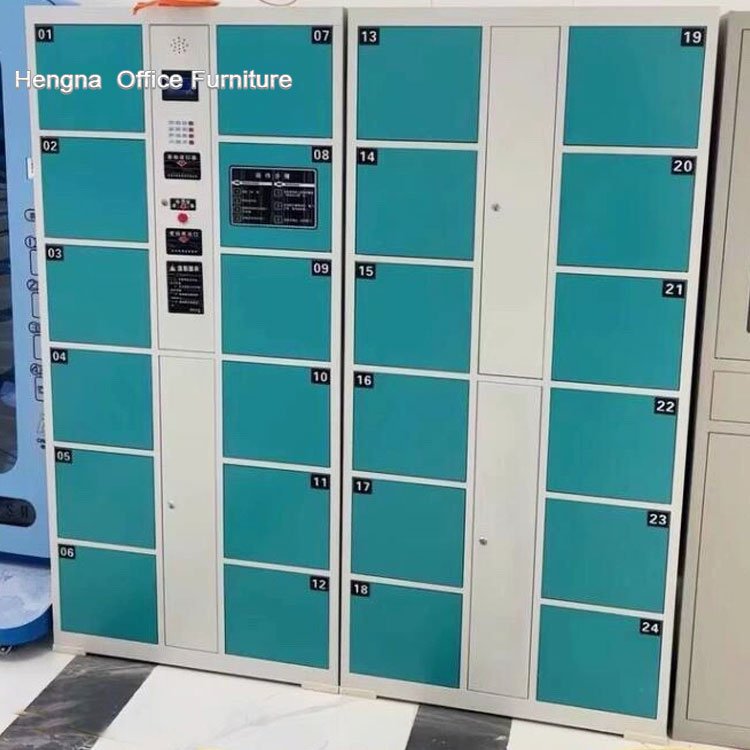
Barcode lockers represent the next evolution in storage technology, incorporating digital features that enhance user experience and operational efficiency. As shown in the accompanying image, these systems boast advanced components including voice prompts, large LCD screens, digital keypads, and barcode scanning capabilities.
How Barcode Lockers Work
The process is elegantly simple: users scan a barcode (either from a printed ticket or their smartphone) to store or retrieve items. The system automatically assigns an available locker and tracks usage digitally, eliminating the need for physical keys or memorized combinations.
Advantages of Barcode Lockers
- User-Friendly Interface: Voice prompts guide users through each step
- Multilingual Support: Large displays present information in the user’s preferred language
- Quick Access: Barcode scanning allows retrieval in seconds
- Digital Tracking: Automatic record-keeping reduces errors and improves management
- Enhanced Security: Additional monitoring features can deter theft
Limitations of Barcode Lockers
The primary concerns with barcode systems include their dependence on electricity and potential need for technical support. Software issues or electronic component failures may require professional maintenance, which could lead to temporary downtime.
Security Comparison: Which Offers Better Protection?
When evaluating security, both locker types have distinct advantages. Traditional lockers provide robust physical barriers that aren’t vulnerable to power outages or system crashes. Their mechanical nature makes them resistant to hacking attempts.
Barcode lockers, however, offer enhanced security through digital monitoring capabilities. Many systems include surveillance integration and usage logs that can help identify unauthorized access attempts. The unique barcode for each session also reduces the risk of duplicate key issues common with traditional systems.
Convenience and User Experience
In terms of user experience, barcode lockers clearly excel in high-traffic environments. The ability to process multiple users simultaneously reduces wait times significantly. Features like voice guidance and intuitive interfaces make these systems accessible to users of all ages and technical abilities.
Traditional lockers, while reliable, can create bottlenecks during peak usage times. The need for manual key management or combination dialing slows down the process, potentially frustrating users in busy settings.
Business Impact: Which Benefits Commercial Operations?
For business owners, the choice between locker systems can significantly impact operations. Barcode lockers offer several advantages in commercial settings:
- Improved Customer Satisfaction: Faster service and modern features enhance the user experience
- Reduced Labor Costs: Automated systems require less staff oversight
- Valuable Data Collection: Usage patterns can inform business decisions
- Brand Image: Modern technology projects an innovative, customer-focused image
Traditional lockers may be more suitable for smaller operations with limited budgets or where technical expertise is unavailable.
Making the Right Choice for Your Needs
The decision between barcode and traditional lockers ultimately depends on your specific requirements and priorities.
Choose Traditional Lockers If:
- You have a limited budget
- Your facility experiences frequent power outages
- You prefer simple, mechanical solutions
- Your user base is resistant to technological changes
Choose Barcode Lockers If:
- User convenience is a priority
- You manage high-traffic areas
- You want to project a modern image
- You have technical support available
- Data collection and management efficiency are important
As we’ve explored, both barcode lockers and traditional lockers offer distinct advantages depending on your needs. Traditional lockers provide reliable, mechanical security that has stood the test of time. Barcode lockers deliver modern convenience and enhanced user experiences that can significantly improve operational efficiency.
By carefully considering your specific needs, budget, and user expectations, you can select the locker system that will best serve your requirements now and in the future.