A library branch with 300 daily visitors can lose hours of staff time every week to locker keys—lost keys, jammed locks, patrons asking for help. When a 36-door barcode deposit locker replaces keyed lockers, most of that work disappears. Patrons scan a printed ticket, drop their bags, and walk in. The only recurring staff task is refilling the thermal paper roll.This is why libraries across North America and Europe are switching to barcode deposit lockers, and the 36-door configuration is the practical choice for most branches. It fits a standard wall footprint, holds 30+ patrons at a time, and costs less per door than buying three separate 12-door units.
What a 36-Door Barcode Deposit Locker Actually Is
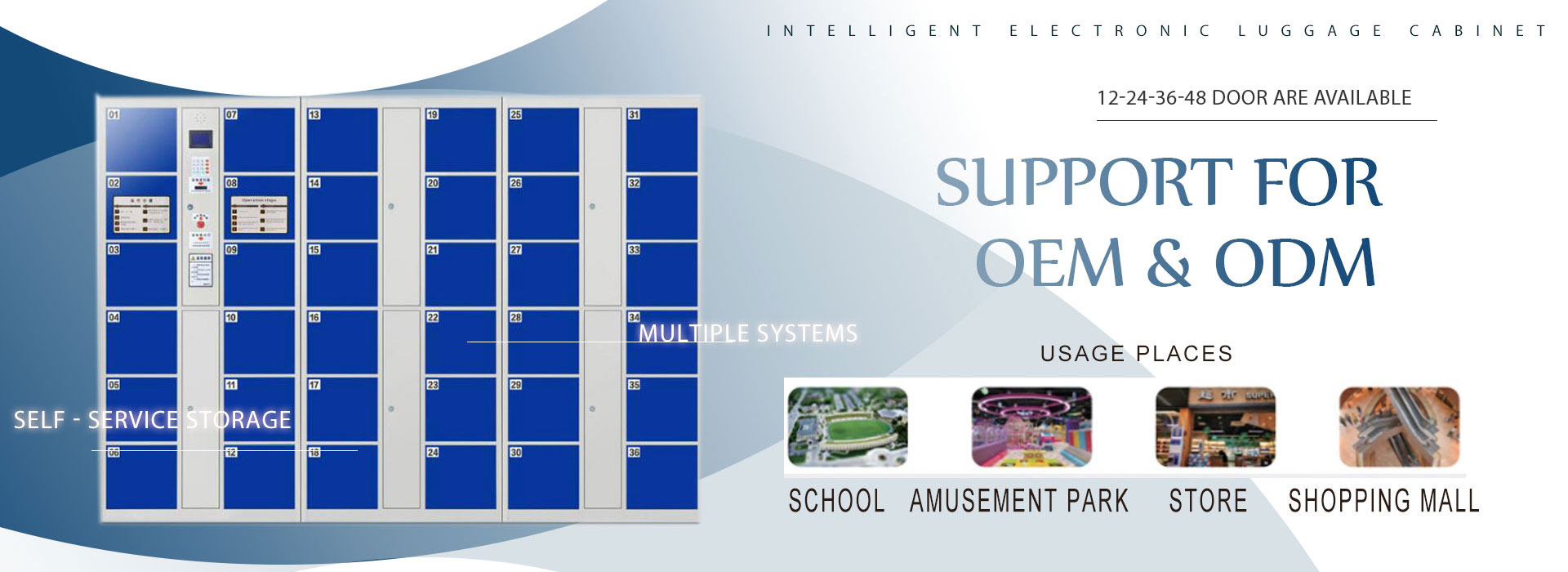
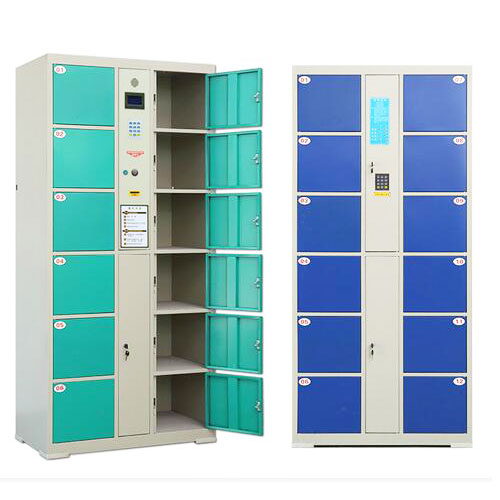
A 36-door barcode deposit locker is a steel storage cabinet with 36 independently controlled compartments. Each door has a barcode scanner tied to a central control board. A patron presses “Store,” gets a printed thermal ticket with a unique barcode, places their items inside, and closes the door. When they return, they scan the ticket under the reader—their specific door unlocks. No key, no PIN, no staff involvement.The system runs on standard 110V power. The control board logs every open and close event. If a ticket is lost, a staff member can open any door with a master override key. Units are typically 72 inches tall, 36 inches wide, and 18 inches deep—about the footprint of a standard filing cabinet row.
Why Libraries Pick 36 Doors Over 12 or 24
A 12-door unit fills up quickly during a midterm week. A 24-door unit works for a small branch with fewer than 100 daily visitors. For a branch serving around 300 patrons a day, 36 doors is the minimum that prevents a line forming at the locker bank during peak hours.Larger configurations (48 and 60 doors) exist, but they add cost and width that does not always fit the wall space beside a library entrance. 36 doors hits the balance: enough capacity, compact footprint.
What the Barcode Ticket System Replaces
Old lockers in libraries use one of three methods: physical keys, coin deposit, or combination locks. Each has a failure mode that library staff know too well. Keys get lost. One lost key means cutting a replacement—or re-keying a whole door row. Coin deposit needs quarters, which fewer patrons carry. Combination locks fail when someone forgets a code and a staff member has to stop and open the door.Barcode tickets remove all three problems. A ticket costs a fraction of a cent and is single-use. The system expires tickets automatically after a set time window, usually 12 hours, so no permanent record links a patron to a door—good for privacy in a public library. The thermal printer is the only consumable part, and one roll of paper prints thousands of tickets.
Steel Construction: Why It Matters in a Library
Libraries are not warehouses. The storage demand is lighter—bags, laptops, coats, books. So why specify heavy-gauge cold-rolled steel?Because library lockers sit in a public space. They get bumped by strollers. A child swings on an open door. Cleaning staff hits them with a mop handle. A powder-coated steel body with 0.8mm doors handles this for a decade without warping. Thinner steel or laminate doors dent within the first year or two of public use.Powder coating also matters for cleaning. Library staff wipe the units down weekly. A smooth powder-coated surface takes disinfectant wipes without fading, and the barcode reader window stays clear with a dry cloth. Laminate and wood finishes absorb moisture and hold stains; steel does neither.
Installation: What the Library Needs to Know
A 36-door barcode locker arrives on a pallet, assembled except for the base leveling feet. The library needs a grounded 110V outlet within 6 feet of the unit. No network cable is needed—the system runs standalone. If the library wants remote monitoring (door status, ticket count, error alerts), an optional RS-485-to-USB adapter connects to a front-desk PC. Most libraries skip this and read the LED panel on the unit itself.The unit weighs about 280 pounds. Two people can position it, but a pallet jack is recommended. Doors need about 18 inches of clearance to open fully. Side ventilation slots prevent condensation inside the compartments—useful when a patron stores a wet umbrella.
How It Changes the Patron Experience
A patron walks in, presses a button, gets a ticket, stores their things, and walks into the reading room. The whole process takes about 15 seconds. On the way out, they scan the ticket, take their bag, and drop the used ticket in a small bin next to the unit. No waiting. No staff interaction.Patrons also treat the system as fair. There is no “best locker” to fight over—the machine assigns doors. Regular users learn the flow on their first visit, and first-time users figure it out without asking staff, because the on-screen steps are printed on the unit in two lines.For libraries with a “no bags” policy in certain sections, the locker bank becomes the enforcement mechanism without a confrontation. “Please store your bag before entering the rare books room” is a policy, not an argument.
Cost and ROI
A 36-door barcode deposit locker costs more upfront than a keyed locker of the same size. But the keyed locker keeps costing—replacement keys, staff time, re-keying. The barcode unit’s only recurring cost is thermal paper. Most libraries recover the price difference within two to three years. After that, it is pure savings.For a library writing a grant proposal, the talking points are: reduces staff workload, improves patron experience, zero ongoing key management cost, 10-year steel construction.
What to Ask a Supplier Before Ordering
Door steel thickness? 0.8mm minimum.
Is the barcode reader sealed against dust? Libraries are dusty places.
Warranty on the control board? Look for three years.
Can the door size mix be customized? Some libraries want 24 small doors for phones and 12 large doors for bags.
Lead time? Factory-direct from China typically ships in 15 to 25 days, plus 30 to 40 days ocean freight.
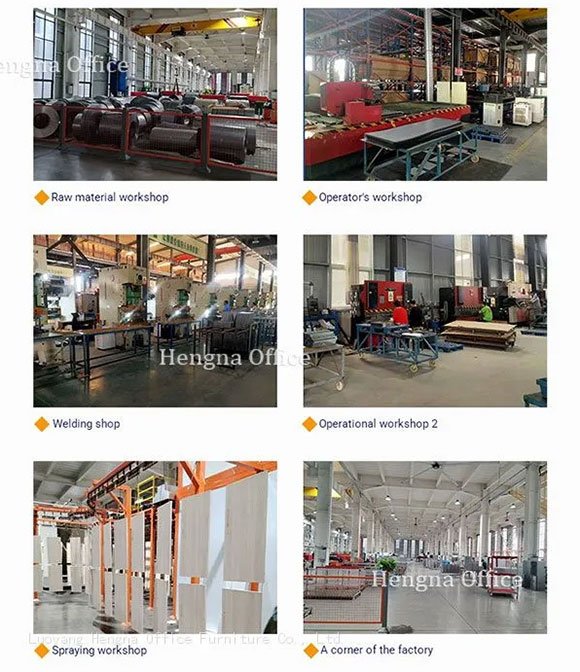
At Luoyang Hengna, we build 36-door barcode deposit lockers with customizable door sizes, 0.8mm cold-rolled steel bodies, and a three-year control board warranty. Units ship from our factory in Luoyang, China. Contact us with your door size requirements and quantity for a quote.